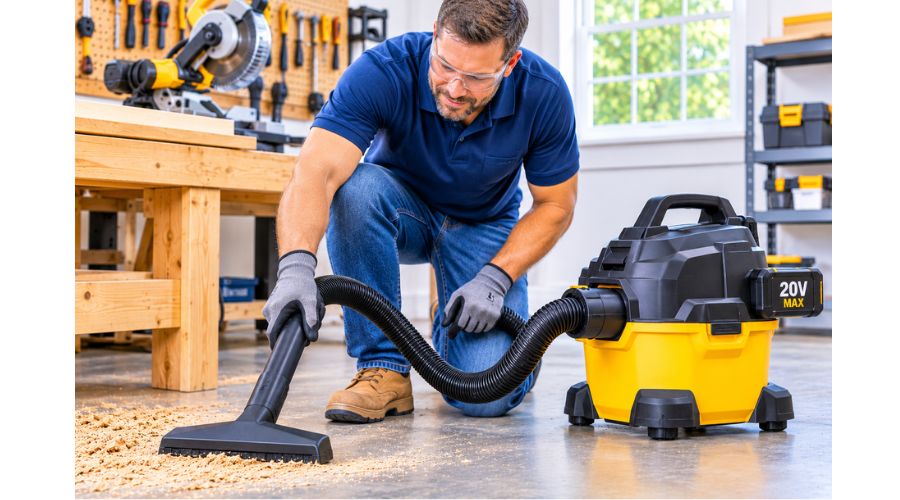
Perhaps you’re looking for the right gear to clean up your garage mess, whether dry or wet; a shop vac can handle the job effectively, no matter what. Cordless shop vacs are certainly the most effective vacuum cleaners in the garage world, or, preferably, other areas that require heavy-duty cleaning.
Besides, they’re top-rated for being lighter than other standard vacuum cleaners and, more importantly, don’t need to be plugged into a wall socket to work. “Can I use my cordless shop vac without a filter is a question frequently asked by many people. Although there’s no single answer to this question and various aspects may make it a bit complex, it can be answered in several ways.
Can I Use My Cordless Shop Vac Without a Filter?
You may be able to use a cordless shop vac without a filter for certain wet pickups, but don’t run it filter-free on ordinary dry debris unless the manufacturer specifically allows it. The filter helps keep dust and fine particles out of the motor and prevents them from being blown back into the air. Without it, your vacuum may lose performance, release dust through its exhaust, or suffer damage.
The right answer depends on your vacuum’s design and whether you’re cleaning up dry debris or liquid. Check the owner’s manual before removing the filter, especially if your model uses a separate wet-pickup filter or a foam sleeve.
Can You Run a Cordless Shop Vac Without a Filter?
Whether you can run a cordless shop vac without a filter depends on what you are vacuuming and how the manufacturer designed the machine. Most cordless wet-dry vacuums use a filter to trap dust and small particles before air passes through the motor and exits the exhaust.
Removing that filter during dry cleanup can let debris enter the motor compartment, shorten the vacuum’s lifespan, and send fine dust back into the room.
Some wet-dry vacuums let you remove the filter for liquid pickup, while others require a special foam or wet-pickup filter. Never assume that every cordless shop vac works the same way. Check the owner’s manual for the correct setup before vacuuming water or removing any filter.
For dry debris such as sawdust, drywall dust, or dirt, keep the recommended filter installed. If the filter is clogged, clean or replace it according to the manufacturer’s instructions rather than running the vacuum without one.
A clean, correctly fitted filter helps maintain suction and protects the vacuum’s internal components.
What Happens If You Use a Cordless Shop Vac Without a Filter?
Running a cordless shop vac without its required filter can cause several problems, especially when vacuuming dry debris. The filter is designed to capture particles before air moves through the vacuum and back into the room. Without it, fine dust may pass through the machine instead of staying inside the collection tank.
Dust can reach the motor
Fine particles may enter areas that are not designed to handle debris. Over time, dust buildup can interfere with the motor or other internal components. This may shorten the vacuum’s service life or lead to costly repairs.
Dust may blow back into the air
A shop vac draws in debris and exhausts air through its outlet. Without a filter, some of the dust you vacuum up may be expelled back into your workspace. This can make cleanup less effective and may expose you to airborne particles.
Suction and performance may suffer
A missing filter does not always cause an immediate loss of suction, but debris entering the airflow system can affect performance. If the filter is clogged, removing it is not a safe substitute for cleaning or replacing it.
The vacuum may not be suitable for wet pickup
Some wet-dry vacuums allow the dry filter to be removed before collecting liquids; others require a special wet-pickup filter or foam sleeve. The wrong setup can damage the vacuum or let liquid reach components that must stay dry. Always follow the instructions for your specific model.
Can You Use a Cordless Shop Vac Without a Filter for Wet Pickup?
Some cordless wet-dry vacuums let you remove the standard dry filter when collecting water, but others require a foam sleeve or a filter designed specifically for wet pickup. The right setup depends on your vacuum model and the manufacturer’s instructions.
Before vacuuming liquid, unplug or switch off the vacuum and check the manual for its wet-pickup procedure. If the instructions say to remove the dry filter, do so only for that task and reinstall it before returning to dry debris. Never assume that removing the filter is safe simply because the vacuum is labeled “wet-dry.”
Also, do not exceed the tank’s fill limit. Stop when the float or full-tank indicator activates, then empty and clean the tank as directed. Using the correct filter configuration helps protect the motor and prevents liquid from reaching parts of the vacuum that must remain dry.
How to Use a Cordless Shop Vac Safely Without a Filter
If your cordless shop vac’s manual permits filter removal for a specific task, follow the manufacturer’s setup instructions. Don’t remove the filter just to improve suction or avoid cleaning it.
First, switch off the vacuum and check whether the job involves liquid or dry debris. For wet pickup, install any required foam sleeve or wet-use filter, and remove the dry filter only if the manual directs you to. For dry cleanup, keep the recommended filter fitted.
Before restarting the vacuum, make sure the collection tank is properly seated and that no liquid or debris can enter the motor housing. Monitor the tank’s fill level during wet pickup and stop when the float or full-tank indicator activates. Afterward, empty and clean the tank, allow wet components to dry as instructed, and reinstall the correct filter before the next dry cleanup
How a cordless shop vac works
These units are often called bucket vacuums because they’re shaped like buckets. They are popularly used and recognized for cleaning commercial buildings, filthy areas or woodworking shops.
Shop vacs are mostly identified as having powerful suction capacity and a motor to suck up all kinds of dust or even bigger lumps of garbage that require cleaning. Usually, these units work on the same principle as any regular vacuum cleaner. However, the main difference is that a shop vac can perform much better than a traditional household vacuum cleaner.
These units are designed to suck up larger particles of dirt and clean up liquid spills found in workshops or industrial areas. Regardless, you can always use them in your home. Although they are easy to use, the lack of more effective attachments may make it hard for the machine to pick up tiny particles found in homes.
Although shop vacs come in multiple models, most feature a floating ball mechanism that stops the device when the tank is full. It usually makes a high-pitched noise, which signals that the device is full and needs to be emptied. Always rinse your vacuum and, preferably, leave it outside to dry before storing it.
Using a shop vac for wet cleaning
Although using a shop vac for wet cleaning seems possible, it can be quite stressful, especially in large areas like pools. On the other hand, it can’t damage your unit, but it can be tiring to empty the tank every 20 seconds. Also, your shop vac can clog quickly, which, to me, isn’t always worth it.
Nonetheless, if you must do it, always use an output hose that speeds up the process by letting water out as it rushes in. Always be careful, as the hose may not manage the water.
Understanding the battery capacity
Since we are dealing with a cordless shop vac, it’s essential to understand the battery capacity. Well, a cordless shop vac can operate independently. However, before you decide to buy one, it’s crucial to check the runtime its battery can provide.
For starters, 18 or higher batteries can provide much longer runtimes because of their large capacities. Another vital factor to consider is how long the shop vac takes to charge completely. Most cordless shop vac batteries take at least 3-4 hours to fully recharge.
Power
Power is also an essential aspect when dealing with a cordless shop vac. Often, when talking about power in a cordless shop vac, we refer to its suction pressure. This metric refers to the amount of airflow which passes through the nozzle of a vacuum machine per minute and is often measured in cubic feet per minute (CFM).
If a shop vac has a higher CFM, it tends to pick up materials a lot faster. Similarly, the suction power or water lift is another metric of power in cordless shop vacs that should be considered. If your shop vac has a higher water lift capacity, it can pick up heavier items.
Using a filter
If you’re allergic or sensitive to dust, it’s only logical to buy a shop vac with a filter. More importantly, make sure it has a HEPA filter, one of the most valuable types you can find.
DIY ways to improve filter performance
First, determine and understand the purpose of the filter. If you need to vacuum water or other wet items, choose a foam filter. If you prefer using it for dust, a dust bag can handle the job.
Well, don’t forget to maintain your filter. Regularly maintaining the filter and filter cartridge can potentially increase the filter’s lifespan, which is the right way to protect your investment. Keep in mind there’s no magic formula for improving a filter’s performance, but if you do things right, you’re likely to see significant improvements. The choice is yours!
What Type of Filter Does a Cordless Shop Vac Need?
The correct filter depends on the debris you are collecting and your vacuum’s design. Always check the owner’s manual for the filter type and part number recommended for your specific model.
Cartridge filter
A cartridge filter is commonly used for everyday dry cleanup, including dirt, small debris, and some fine dust. Certain models use a cartridge rated for fine particles, while others require a separate high-efficiency filter for very fine dust. Do not assume a standard cartridge is suitable for hazardous dust or every type of construction cleanup.
Foam filter or wet-pickup sleeve
Some wet-dry vacuums use a foam sleeve or a dedicated wet filter when collecting liquids. It helps protect the motor from droplets while allowing the vacuum to pick up water. Use only the wet-pickup filter specified for your model and remove or replace the dry filter only as directed.
Disposable filter bag
Some cordless shop vacs accept disposable collection bags. A compatible bag can make dry cleanup easier and help contain fine debris, but it does not necessarily replace the required main filter. Confirm whether your vacuum needs both a bag and a filter for the task.
Using the manufacturer-recommended filter helps maintain suction, capture debris, and protect the vacuum’s internal components.
How to Maintain Your Cordless Shop Vac Filter
Regular filter maintenance helps your cordless shop vac maintain suction and collect debris effectively. A dirty or clogged filter can restrict airflow, making the vacuum work harder and reducing its cleaning performance.
After using it, switch off the vacuum and remove the filter as directed in the manual. Tap loose dust into a garbage bag or clean the filter using the method recommended by the manufacturer. Avoid striking it hard or using compressed air unless the instructions specifically allow it, since these methods can damage the filter material or release dust.
If the filter is washable, let it dry completely before reinstalling it. A damp filter used for dry cleanup can restrict airflow and may encourage mold or odors. Replace the filter if it is torn, misshapen, or remains clogged after cleaning.
Check the filter before each job, especially when switching between wet and dry pickup. Reinstall the correct filter securely before operating the vacuum and never run it without a required filter just because the existing one needs cleaning.
Frequently asked questions-FAQs
Do I really need a filter for a wet vac?
Ideally, a filter prevents dust from blowing out while cleaning. In essence, wet surfaces don’t necessarily need a filter because liquids can damage it. To avoid damaging or ruining your vacuum, it’s best to remove it.
Can I vacuum clean a dry place without a bag?
Of course, it’s very possible. However, it might not be that effective. Using a bag will save you a lot of stress by preventing clogs. If your shop vac lacks a bag, it will likely get damaged much faster.
Why does my filter keep on blowing dust back?
It could be that you didn’t install the filter properly, or there may be a hole in the motor. You may want to check these two things before proceeding. It could also be that the dust is too fine, in which case we recommend a filter with a high-efficiency disposable bag.
Is it okay to use my shop vac in the basement?
If your basement is flooded, you’ll need a way to get rid of the annoying water. Interestingly, shop vacs come in multiple series designed for these kinds of jobs. A pump vacuum can correctly handle large quantities of water from one location to another.
You’ll only need to connect one end of the hose to the pump. The water will then be transferred where you want it to go as you pump.
Can I use my cordless shop vac without a filter?
Only if the manufacturer’s instructions allow it for the specific task. Some wet-dry vacuums permit filter removal for wet pickup, while others require a foam sleeve or wet-use filter. For dry debris, keep the recommended filter installed to capture dust and protect the motor.
What happens if I use a shop vac without a filter?
Dust and fine debris may pass through the vacuum and be blown back into the room. Some particles may also enter the motor or other internal components, potentially reducing performance or damaging the machine.
Can I use a shop vac without a filter for water?
Some wet-dry models allow it, but others require a special wet-pickup filter. Check the manual before collecting liquid, and never assume that every cordless shop vac can operate filter-free.
Can I vacuum sawdust without a filter?
No—not unless the manufacturer specifically approves filter-free use for that material. Sawdust can enter the vacuum’s internal components or escape through the exhaust. Use the recommended filter and, if supported, a compatible collection bag.
Should I remove the filter when vacuuming water?
Follow the instructions for your exact model. Some vacuums require the dry filter to be removed, while others need a foam sleeve or wet filter installed. Use only the configuration specified by the manufacturer.
Final thoughts
Don’t use your cordless shop vac for dry cleanup without a filter unless the manufacturer specifically allows it. The filter captures dust, helps prevent debris from reaching the motor, and keeps particles from blowing back into your workspace.
Some wet-dry models let you remove the filter for liquid pickup, but others require a dedicated wet-use filter or foam sleeve.
Check your owner’s manual before changing the setup and reinstall the correct filter before vacuuming dry debris. Keeping the filter clean and using the right type for each task helps maintain suction and protect your vacuum.